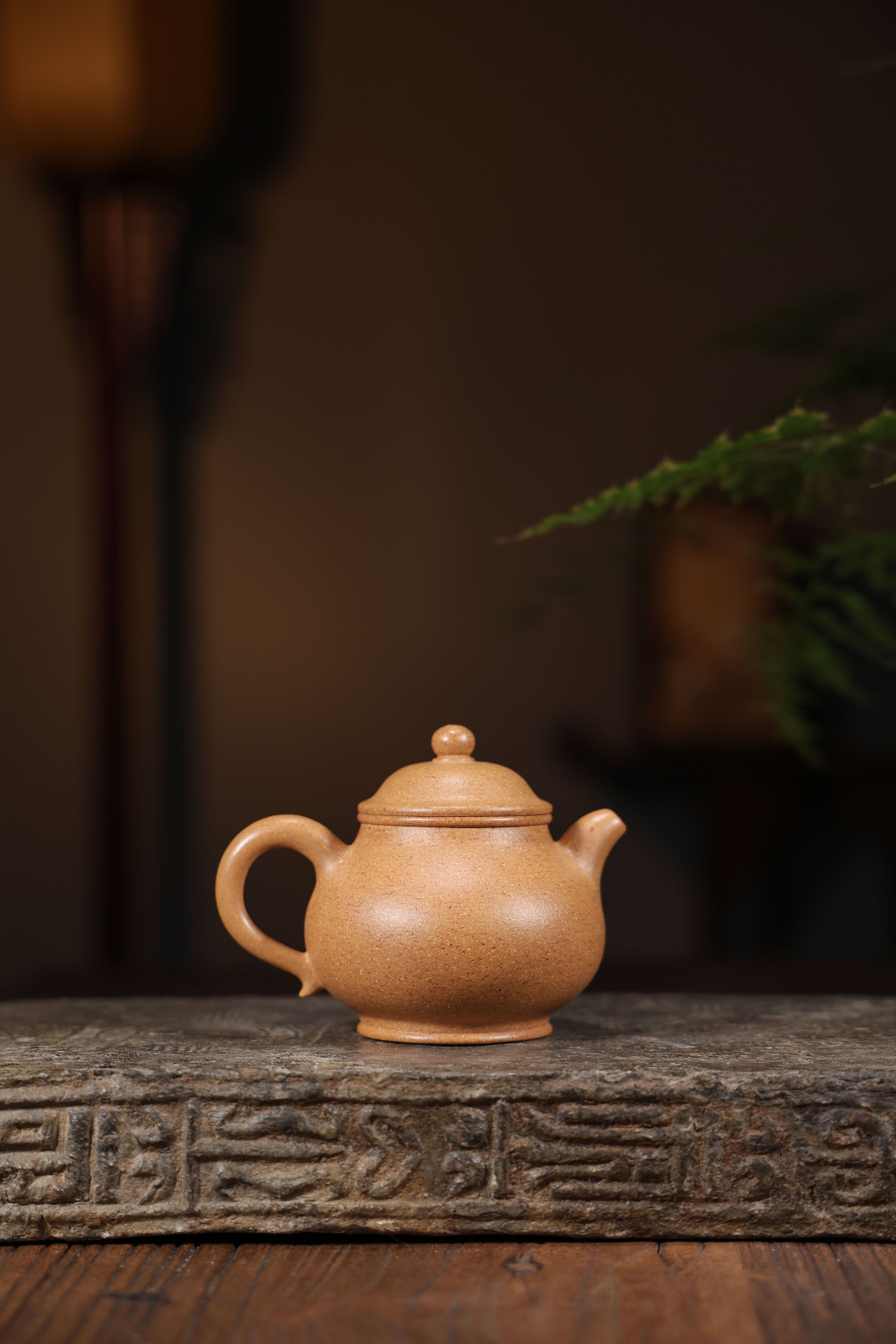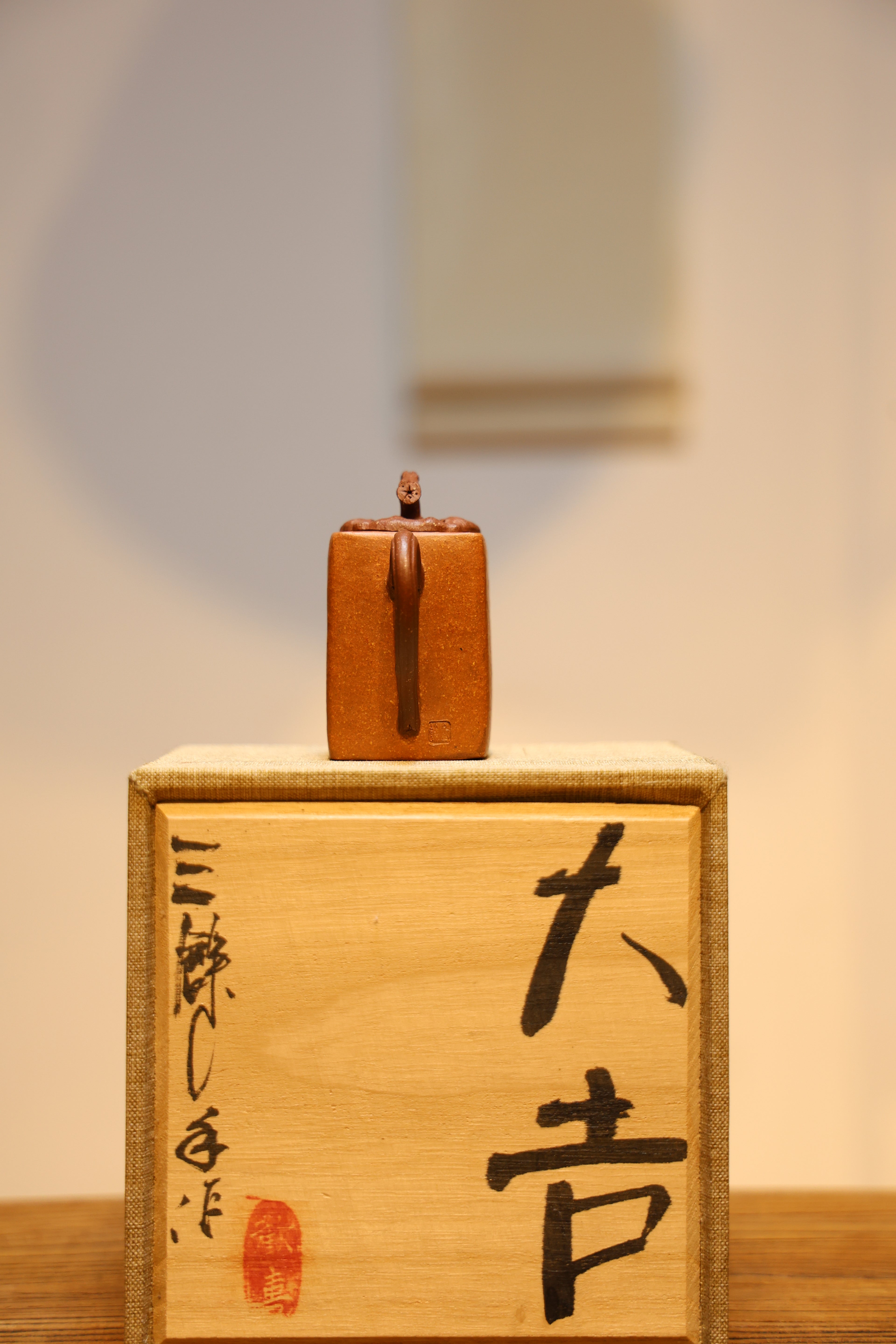
Millennia of collectors have desired the singular fascination of Yixing Zisha earthenware. Coming in the modest town of Yixing, the territory, these jars are shaped from a unique and sourced purple clay renowned for its exceptional thermal aspects and potency to augment the aroma of tea. Other than their utilitarian importance, Zisha teapots represent a lasting social background, causing them highly admired and a real gem for any zealous teapot aficionado.
Investigating Yixing Teapots
Classic teapots showcase a remarkable unification of history and traditional craftsmanship. Originating in Yixing, Jiangsu Territory of China, their narrative stretches the Ming Dynasty, although evidence suggest earlier instances. The special burgundy clay, called Zisha, found specifically in the Yixing region, is the vital component, contributing to the pots' remarkable heat stability and the manner they enhance the essence of tea. Sequences of potters have developed techniques—often passed down through families—including molding the clay, applying detailed embellishments, and firing the pots at accurate temperatures.- Earlier, Yixing teapots were often embellished with simple designs.
- Later, more advanced carvings and figurative motifs became usual.
- The baking itself is a vital element, requiring decades of competence.
Curating Zisha Teapots: Crucial Criteria
Beginning a expedition to collect Zisha pots can be gratifying, but it’s crucial to recognize what to analyze. Authenticity is vital; focus on the terrain’s natural hue, a soft reddish-brown is traditional. Examine the texture; genuine Zisha has a notable tactile sensation, often depicted as slightly bumpy. The shape should be appealing and consistent with established styles, while signatures, if present, require meticulous examination for truthfulness. Don’t shy away to consult with knowledgeable dealers or reliable databases – their awareness is priceless.
Traditional Containers: Surveying the Lineage of Yixing Zisha Clay
Epochs have seen Yixing Yixing Clay teapots sustain a remarkable role in Chinese civilization. These finely fashioned pots, sourced distinctively from the province of Yixing, are distinguished for their specific shade, texture, and their ability to improve the flavor of brews. Several collectors pursue antique Yixing teapots, appreciating them deeply not only for their aesthetic attractiveness, but also for the background they reflect.
Yixing Zisha Teapots: Such Leading Categories and Their Qualities
Yixing Pottery teapots, produced in the regional region of Yixing, the People’s Republic, are celebrated for their remarkable clay and unparalleled brewing characteristics. In the diverse Zisha types, those kinds that are highly valued include Qingtian. Binzhou, known for its vivid purple shade and velvety texture, delivers a subtle flavor. The Duan Ni type, recognizable by its reddish color and partially grainy feel, is assumed to enhance the weight. Lastly, Zhuni class boasts an exceptional ruby tone and can give a sweet nuance. Each category delivers a different experience, facilitating them notably desirable with beverage enthusiasts.
Understanding Individual Zisha Cup
To realize the beauty of your Yixing jar, comprehending the correct technique is necessary. These clay earthenware, celebrated for their permeability, will eventually retain the flavor of the tea you formulate within them. Begin by cleaning the jar thoroughly with boiling water. Then, use only premium fresh leaf tea, as lower quality options can harm the object’s delicate essence. Always allow the leaves to develop completely, and remember that with each brewing, your Yixing pitcher will become increasingly valued.
Maintaining Your Rare Zisha Artifact
Proper upkeep for your Zisha kettle is crucial to maintaining its durability and value. Zisha clay, famed for its unique hue and consistency, requires considerate handling. Never use severe formulas, as these can damage the veneer. After every use, rinse the pot with room temperature water and allow it Purple Clay Teapot to ventilate completely.
- Decline soaking the teapot for extended intervals.
- At intervals use a soft rag to dust the exterior.
- Weigh applying a thin layer of food-grade oil inside the pitcher after drying, which can diminish staining.
Overview of Yixing Pots
Yixing clay pots, originating from the Yixing district in Jiangsu Province, in the People's Republic, are celebrated for their distinctive attributes. Created from the unique purple substance known as Zisha, these pots are prized by beverage enthusiasts worldwide. This manual will clearly explain the nuts and bolts – covering varieties of Zisha soil, well-liked shapes, and fundamental care helpful hints. Understanding the background of Yixing vessels can broaden your appreciation for this revered example of Han tradition.
Art of Zhongguo Earthenware: Emphasizing Zisha produced in Yixing
Zisha clay from Yixing City represents the zenith of Mandarin earthenware design, exhibiting a rare compound of elemental beauty and valuable artistry. These celebrated pieces are honored for their saturated tints, often ranging from deep purples and rust hues to faint greys and muted beiges. The salient mineral composition of the typical Zisha clay imparts a noteworthy texture and delivers a welcoming aroma that amplifies the aggregate drink experience, resulting in them strongly coveted collectibles and critical components of any serious brew.